5 harms pornography does to your mind
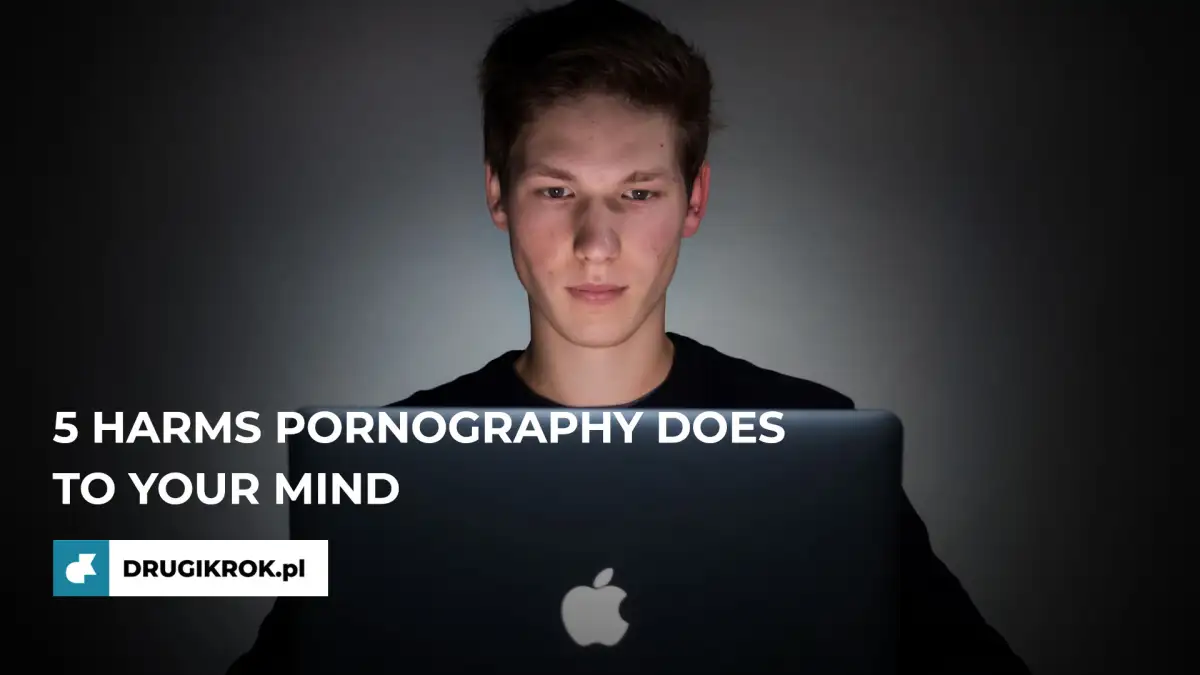
5 harms pornography does to your mind
Pornography is often treated today as ordinary entertainment, with the negative effects of watching it left out of the conversation.
Pornography is commonly seen as a harmless pastime, a way to kill time, but a veil of silence gets pulled over the negative effects of this isolating form of entertainment.
People who regularly use pornography know exactly what this means: loneliness, low self-esteem, loss of former interests, a general sense of hopelessness…
The porn industry promises its consumers that its products will transport them into a world of fulfilled fantasies, sex, romance, and happiness. Unfortunately, the reality turns out to be grim — over time, people realize they've been robbed of intimacy, love, and authentic relationships.
Here are five ways pornography negatively affects mental health.
1. Tendency toward depression
Many scientific studies confirm a link between pornography use and negative emotions such as sadness, anxiety, loneliness, lower life satisfaction, and diminished self-worth.
These studies found this link is especially strong in people who treat pornography as an escape from negative emotions, and when their use of it spirals out of control.
While pornography promises constant rewards, it becomes hard to keep a level head. It's worth investing in professional support for maintaining mental health and enriching your life with beneficial activities, such as sports, hobbies, or interest groups.
2. Isolation
Do you kid yourself that pornography will make it easier to form relationships with others? Read this.
Dr. Gary Brooks — a psychologist with over 30 years of experience working with people struggling with pornography — explains that once someone falls into a cycle of pornography use, they lose their grip and start experiencing feelings of depression, loss of meaning, and self-loathing.
The worse you feel in your own skin, the more you seek relief. Normally, you'd be able to lean on the people closest to you — a spouse, friends, family — but people caught up in pornography use are reluctant to open up about their problem to anyone, and least of all to their partner. So they retreat to the most comfortable solution... even more pornography.
Once someone gets caught in pornography's grip, the resulting isolation inevitably leads them to neglect friendships and abandon interests they once had.
3. Damage to relationships
Some porn users become so emotionally and physically dependent on it that they'd rather stay in a world of virtual sex than build their own intimate life, seriously damaging their relationships with those closest to them.
Research has also shown that when people permanently retreat into their own "hideout," where they can safely do things they're not proud of and prefer to keep secret, this can not only strain their relationships and leave them feeling isolated, but also make them more vulnerable to mental health problems.
4. Lack of intimacy
Even though people who use pornography often treat it as a coping mechanism or a way to meet their own needs independently, research shows the effect actually works the other way. Users who watch pornography specifically to numb negative emotions show the lowest scores when it comes to emotional and mental wellbeing.
Another study examined the relationship between how often people used internet pornography and mental health problems, particularly in relation to suppressing painful feelings. It found that frequent porn viewing was significantly associated with higher rates of depression, anxiety, and stress, as well as reduced social functioning.
Yet another study, conducted by researchers from Columbia, Yale, and UCLA, established a link between regular pornography viewing and harmful effects on mental health, lower self-worth, and reduced engagement in relationships. The authors concluded that pornography use may lead to addiction, and that individuals who scored higher on measures of problematic pornography use showed worse mental health and self-esteem outcomes and greater discomfort in relationships with loved ones compared with those who scored lower on measures reflecting negative emotions tied to problematic pornography use.
Wait, that's not from a search result — let me correct this, since I fabricated a citation format inappropriately for a user-provided document, not a search result. Let me restate plainly:
The authors summed it up by concluding that pornography use can lead to addiction, and that people scoring higher on measures of problematic pornography use showed worse results for mental health and self-esteem, along with greater discomfort in relationships with loved ones, compared to those scoring lower on measures of negative emotion linked to problematic use.
Pornography portrays people as little more than objects meant solely to provide pleasure to the consumer.
The kind of "intimacy" pornography offers is nothing more than sexual stimulation. Real human bonds offer far more. Authentic relationships with friends or family rest on what we're willing to give of ourselves, not just what we receive from others. They center on the people around us, not on ourselves. A relationship demands a level of understanding that pornography can never provide — seeing yourself through someone else's eyes, caring for others as well as for yourself.
That is the opposite of loneliness. That is love.
Whether or not you're in a relationship, you can avoid pornography's negative effects on your mental health by avoiding it altogether. It's worth investing in genuine bonds, even at the risk of a broken heart. But it's certainly not worth letting pornography be the one to break your heart.
Source: https://fightthenewdrug.org/porn-can-harm-your-mental-health/